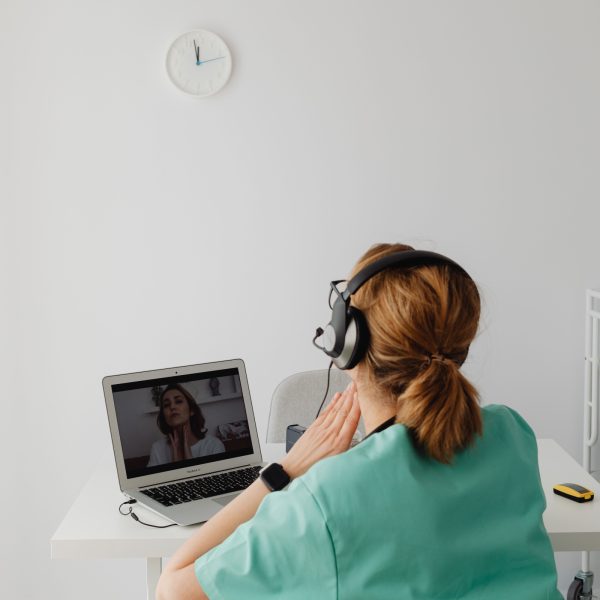
A hospital admits a patient who cannot read the discharge instructions because the paperwork only exists in the hospital system language. A pharmaceutical company preparing a clinical trial abroad discovers that a consent form contains a mistranslated dosage instruction nobody caught before printing. A medical device manufacturer expanding into a new country finds that its safety manual was translated by someone with no clinical background at all. None of these situations resolve themselves without a qualified partner.
Why A Missed Word Can Cost A Life In This Field
Behind every safe hospital and successful trial stands precise language. For sponsors running multilingual studies, the documentation burden is especially heavy, which is why teams rely on dedicated clinical trial translation services that understand both regulatory requirements and the science behind the protocol. From consent forms to case report forms, every document must be precise, consistent, and audit-ready. Getting this right from the first submission prevents the costly delays that derail so many trials.
A marketing brochure can survive an awkward sentence. A medical record or a drug label cannot. A single mistranslated dosage unit or a confused anatomical term can change what a clinician believes about a patient in front of them. For this reason genuine medical translations belong in a category of risk that has almost nothing in common with ordinary business content.
Clinical trial documentation raises the stakes even further. A consent form that must be understood identically by a patient in one country and a regulator in another leaves no room for a translator who guesses at unfamiliar terminology. A reviewer who spots an ambiguous phrase in an already submitted trial document rarely gets a quiet second chance to fix it before an auditor notices. Guidance from the World Health Organization on patient safety highlights how communication failures including language barriers remain a leading contributor to preventable clinical harm worldwide.
What Separates A Real Medical Provider From A General Agency
The difference between a specialized medical translation provider and a general language agency becomes obvious the moment a document gets technical. A specialized provider assigns translators with a clinical or pharmaceutical background who already understand the terminology before a new file even arrives. A general agency treats a drug label the same way it treats a restaurant menu and that gap shows up fast.
Quality assurance matters more here than almost anywhere else in the translation industry. A serious provider runs every translated document through a second reviewer with matching subject expertise and maintains a validated glossary so a dosage term or a diagnosis label reads the same way across every document for years. A vendor that skips this step is cutting exactly the safeguard meant to catch an error before it reaches a patient or a regulator.
Credentials matter here in a way that rarely comes up in general business translation. A clinical document destined for a regulatory authority needs a translator who understands both the language and the underlying medical science behind the terminology. A provider that cannot explain how it screens translators for clinical subject expertise is not a provider a hospital or a pharmaceutical company should trust with a document that carries real consequences for patient safety. Research indexed on PubMed on health literacy and language access finds that inaccurate translation of clinical materials measurably increases the risk of a medication error after discharge.
Spanish language coverage deserves particular attention given how many healthcare systems now serve large Spanish speaking populations. A hospital network expanding its patient materials often finds that generic bilingual staff cannot match the precision a trained medical translator brings to a consent form or a medication guide. A provider with deep experience in Spanish medical translation prevents exactly the kind of ambiguity that leads to a missed dosage or a misunderstood instruction after discharge.
Where Everyday Clinic Operations Intersect With Global Standards
Medical translation rarely happens apart from the rest of a clinic or company's paperwork. A clinic that just finished translating patient education materials still has to invoice international partners and referring providers in a way they can read and reconcile against their own records. Many growing healthcare organizations solve this specific gap by pairing their translation partner with a dedicated tool like a free invoice generator rather than building custom billing software just to handle a handful of international accounts.
Hospitals that treat language access as a compliance checkbox usually discover the gap during an incident review. Procuring medical translation services from certified specialists puts the same quality standard on documents that clinicians already expect from equipment. Accuracy in a patient record is not a place to economise.
That kind of small operational detail matters more than it seems at first glance. A mismatched date format or an unfamiliar currency symbol on an invoice can undo the professionalism built during a carefully translated patient interaction. A healthcare organization that treats translation accuracy and administrative clarity as one connected priority avoids exactly the kind of inconsistency that quietly erodes trust with an international partner over time.
A hospital or pharmaceutical company evaluating providers should ask directly how a rush request tied to a regulatory deadline gets handled since these moments tend to arrive without warning. A provider unwilling to answer that question clearly is signaling something worth noticing before a contract gets signed. The strongest providers can explain exactly how they maintain full quality review even under a compressed timeline rather than quietly skipping a step to hit a date.
Search visibility belongs in this same conversation even though it rarely gets mentioned alongside clinical accuracy. A healthcare organization that describes its services using internal medical jargon rather than the terms patients actually search for tends to see far weaker organic visibility than expected. Certified clinical accuracy and clear patient facing writing solve two different problems and an organization serving international patients needs both handled well by people who understand each discipline.
What Organizations Risk By Treating This As A Minor Detail
Organizations that treat medical translation as a minor line item rather than a core patient safety requirement tend to discover the real cost of that decision at the worst possible moment. A patient who misunderstands a medication instruction because of a translation error can end up back in the emergency room days later. A clinical trial document rejected by a regulator because of an inconsistent glossary can push an entire study timeline back by months and add significant cost along the way.
Budget pressure sits behind many of these decisions, even in well-funded hospital groups. Consent forms, discharge packs and device manuals recur month after month, and paying to retranslate identical approved passages from scratch is waste no finance team should accept. Well-run organisations therefore choose professional translation services that reuse validated wording where it is safe and keep full certified review where a single error carries risk. The result is a service that stays affordable without quietly trading away patient safety.
Smaller clinics sometimes assume this level of diligence only matters for large hospital systems or major pharmaceutical companies running trials across dozens of countries. That assumption rarely survives an actual incident. A single mistranslated dosage instruction can turn into a serious safety event or a costly liability claim and no organization is too small for that risk to matter. Building a relationship with a provider who takes clinical accuracy and translator credentialing seriously before an urgent need arrives gives any growing healthcare organization a far steadier path forward as its patient base becomes more international over time.